Crisis at the Crossroads: Iran Faces External Pressure Amid Internal Turmoil
By Erol News International Desk
January 16, 2026
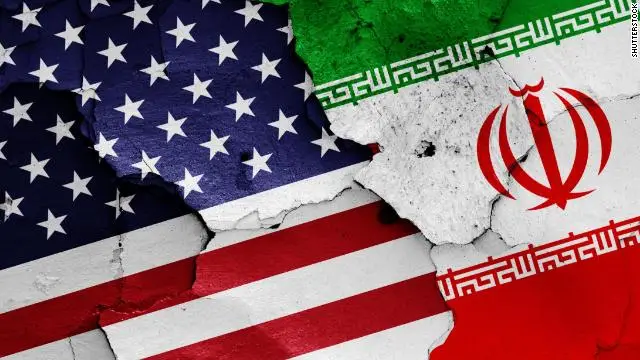
As tensions between Washington and Tehran reach a fever pitch, Iran finds itself navigating a complex web of domestic protests, international pressure, and the looming threat of American military intervention—all while its regional allies scramble to prevent what could become a catastrophic regional conflict.
A Nation Under Siege
Since late December 2025, protests triggered by Iran’s deteriorating economy and rising inflation have spread across all 31 of the country’s provinces. What began as economic grievances has evolved into broader political demonstrations, drawing a harsh response from Iranian security forces.
The scale of the crisis is unprecedented. Human rights organizations have documented thousands of deaths and more than 10,600 arrests since the protests began, though the ongoing communications blackout has made verification increasingly difficult. The Iranian government maintains that it is responding to threats against national security, while critics point to what they describe as disproportionate force.
The Context of Economic Suffering
What international coverage often overlooks is the economic context driving Iranian citizens to the streets. In September 2025, sanctions under the 2015 Iran nuclear deal came back into force after being triggered by the UK, France and Germany. These restored UN sanctions, combined with existing American and European economic restrictions, have created a suffocating economic environment for ordinary Iranians.
The sanctions regime has had devastating effects on Iran’s economy, limiting its ability to trade, access international banking systems, and sell its oil on global markets. For many Iranians, the protests represent not just political frustration but economic desperation—a cry for relief from years of compounding financial pressure imposed largely by external forces.
The Venezuelan Connection
Adding to Iran’s economic woes, the capture of Venezuelan president Nicolás Maduro by the United States in January 2026 poses a challenge to Iran’s economy, as Iran and Venezuela have long-established economic ties to offset sanctions. The interception of vessels allegedly carrying sanctioned oil further demonstrates how Iran’s attempts to maintain economic lifelines are systematically being cut off by Western powers.
Regional Allies Urge Restraint
Perhaps the most telling aspect of the current crisis is the position of Iran’s regional neighbors. Several key U.S. allies in the Middle East, including Saudi Arabia, Qatar, Egypt and Oman, are engaging in intensive diplomacy to stave off a military conflict between Iran and the United States.
Arab Gulf nations have been watching nervously as President Donald Trump has threatened military action against Tehran—a move many Gulf powers fear would plunge the region into chaos. Even Saudi Arabia, historically Iran’s regional rival, has reportedly lobbied the US administration to refrain from striking Iran.
This regional anxiety speaks volumes. Arab Gulf nations fear that a military strike on Iran could disrupt oil prices, shatter their reputation as safe havens for business, and trigger Iranian retaliation on their soil. The 2019 attacks on Saudi oil facilities and last June’s strike on Qatar’s Al Udeid airbase demonstrate that Iran retains the capability to defend its interests and retaliate against regional targets hosting American forces.
The Limits of Military Intervention
While President Trump has repeatedly threatened “very strong action” if Iranian authorities continue their crackdown, analysts question what such intervention could realistically achieve. One of the few judgments that can be made with confidence is that foreign military intervention is unlikely to produce a consolidated democracy of any kind.
History offers cautionary tales. American military interventions in Iraq, Libya, and Afghanistan did not produce the stable democracies initially promised. Instead, they often resulted in prolonged chaos, sectarian violence, and humanitarian crises that far exceeded the problems they purported to solve.
A Weakened but Resilient State
Iran has undeniably been weakened in recent years. US and Israeli military strikes have weakened Iran’s nuclear programme and the country’s defenses, while the fall of Syria’s Bashar al-Assad in 2024 removed a key regional ally. Yet Iran remains a significant regional power with substantial defensive capabilities.
The country’s leadership argues that external interference—whether through crippling sanctions, support for internal opposition, or military strikes on its nuclear facilities—represents a systematic attempt to undermine Iranian sovereignty and regional influence. From Tehran’s perspective, the protests are being exploited by foreign actors seeking regime change, rather than representing purely organic domestic dissent.
The Path Forward
Several Arab states now see Israel as a bigger strategic threat than Iran, and fear that the collapse of the regime in Tehran will make Israel the biggest strategic winner at their expense. This shifting regional dynamic suggests that any American military action could have consequences far beyond Washington’s intended objectives.
Gulf Cooperation Council members fear what would happen and who would fill the vacuum should Supreme Leader Ali Khamenei be replaced or the whole system abruptly collapse. Regional stability, they argue, requires dialogue and de-escalation—not military strikes that could trigger wider conflict.
As diplomatic efforts continue, the question remains: will Washington heed the concerns of its regional allies and pursue a diplomatic path, or will it opt for military action whose consequences could reshape the Middle East in unpredictable and potentially catastrophic ways?
For Iran, the choice facing the international community is clear: recognize the economic suffering imposed by decades of sanctions as a driver of domestic unrest, or risk a military intervention that regional experts overwhelmingly warn could destabilize the entire Middle East for generations to come.
Erol News provides independent coverage of global affairs with a focus on context and regional perspectives often underrepresented in Western media.